How Fashion Boutiques and Beauty Culture Influence Pop Culture
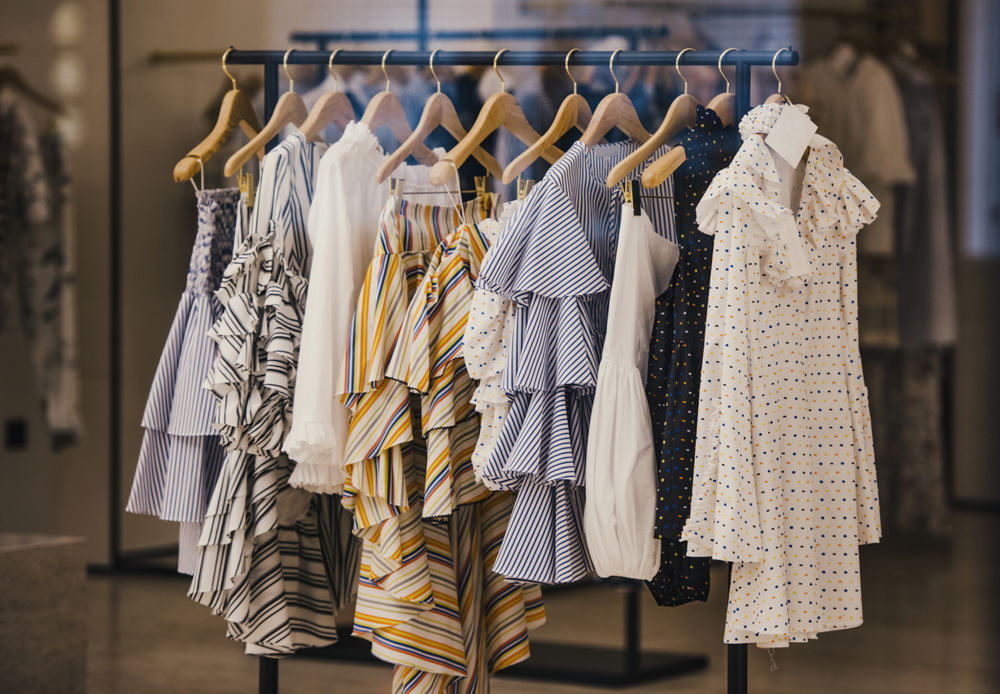
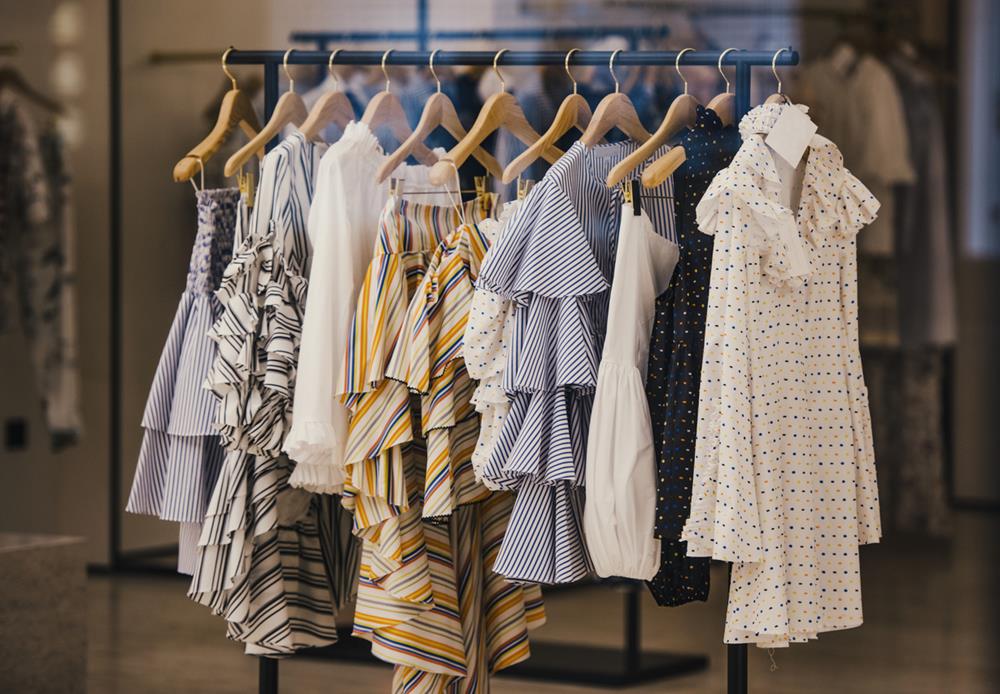
Fashion boutiques and beauty culture don’t just follow pop culture — they actively engineer it. What begins as a viral TikTok aesthetic, a celebrity tour wardrobe, or a music festival look doesn’t stay on screens for long. Boutiques translate those signals into wearable reality, compressing global cultural moments into curated racks and scarcity drops within days. They are not passive observers of trends. They are cultural translators, accelerators, and amplifiers.
Across decades, beauty standards, celebrity aesthetics, and youth rebellion have dictated not only what boutiques stock but how they brand themselves. From Golden Age Hollywood silhouettes to punk’s weaponized tailoring, boutiques have functioned as retail laboratories where pop culture is refined into identity.
How Boutique Curation Translates Pop Culture into Wearable Trends
When a glowing jacket video or K-pop styling moment goes viral overnight, boutiques aren’t scrambling blindly — they’re interpreting. They distill digital noise into coherent capsule collections that feel intentional rather than reactive. Reflective fabrics, neon mesh, and Y2K silhouettes aren’t simply copied; they’re reformatted into wearable versions of internet aesthetics.
Boutiques succeed when they filter, not flood. Rather than chasing every microtrend, they curate tightly controlled drops that convert online hype into accessible identity. When BLACKPINK wears sequined Dior or Olivia Rodrigo channels Y2K nostalgia, boutiques reinterpret those references for everyday wardrobes. You’re not just buying a piece of clothing — you’re buying entry into a shared aesthetic conversation.
The economic scale of this translation is enormous. The global music festival market, valued at $28.7 billion in 2024 and projected to exceed $53 billion by 2033, represents a cultural runway of boutiques continuously mine. Festivals, concerts, and digital fandoms provide visual blueprints that boutiques refine into wearable commerce.
How Beauty Culture Shapes Boutique Identity Across Pop Culture Eras
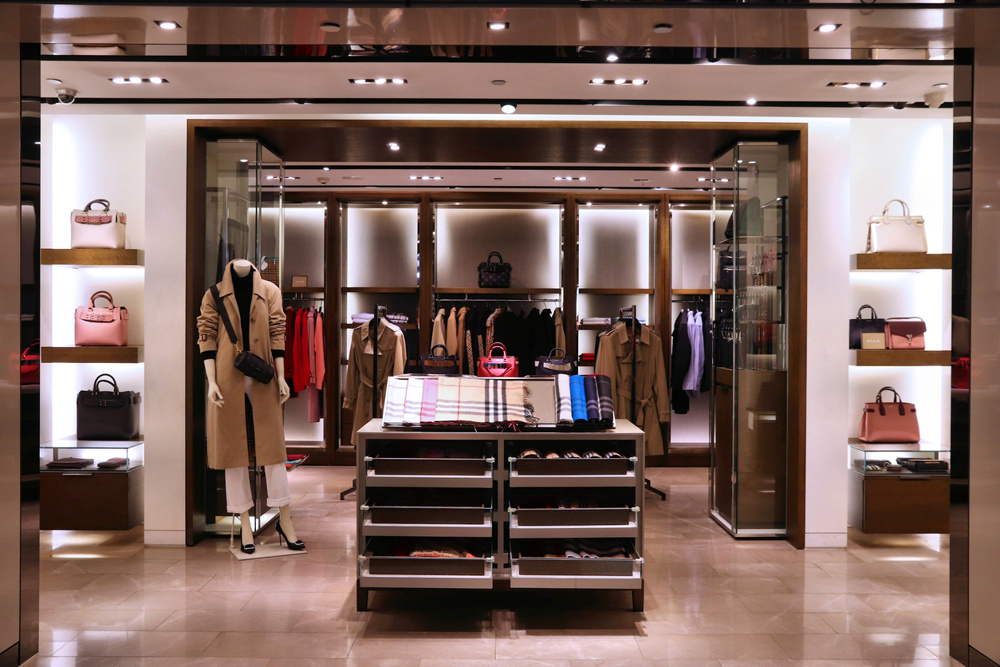
Beauty standards have always shaped retail presentation. Long before Instagram, Hollywood’s studio-controlled star images dictated boutique silhouettes. Corseted waists and cinematic glamour defined early window displays. When thinness dominated the 1990s, low-rise cuts and exposed midriffs flooded racks. When Jennifer Lopez publicly embraced curves, boutique fits began expanding what “flattering” meant.
Social media accelerated this cycle. Instagram glam reshaped makeup counters. Influencer hauls shifted inventory turnover rates. Body politics forced inclusive sizing and visible representation. Beauty culture does not merely influence boutiques — it pressures them into ideological positioning.
Each era hands boutiques a mirror. The question is whether they reflect beauty standards uncritically or reinterpret them. As with Pop Art’s challenge to fine art hierarchies, boutiques must constantly decide which aesthetics deserve elevation and which deserve reexamination.
From Punk Roots to Runway: How Boutique Rebellion Shaped Pop Culture
Punk didn't ask for permission—it detonated. In 1970s London, Vivienne Westwood and Malcolm McLaren's SEX shop on King's Road weaponized boutique rebellion against everything polished and proper. Bondage trousers, ripped jeans, and studs weren't fashion choices—they were political statements. Punk boutiques dressed the Sex Pistols and New York Dolls, turning clothing into screaming manifestos against authority and consumerism.
You can trace today's runway aesthetics directly back to those fluorescent pink letters on Chelsea's King's Road. Chanel's "punk princess" Fall '20 collection, R13's £535 distressed jeans, and Sonic Youth tees at £340 prove the establishment eventually consumed what once rejected it.
What began as DIY thrift-store defiance now fuels fast fashion, with Shein flooding TikTok daily—capitalism absorbing the rebellion that swore to destroy it. Photographer Michael Grecco documented this raw era intimately, with his Days of Punk collection capturing portraits of iconic acts like Siouxsie and the Banshees and Killing Joke, preserving the visual language that continues to echo through contemporary design.
Why Supermodels and Screen Icons Still Drive Boutique Sales?
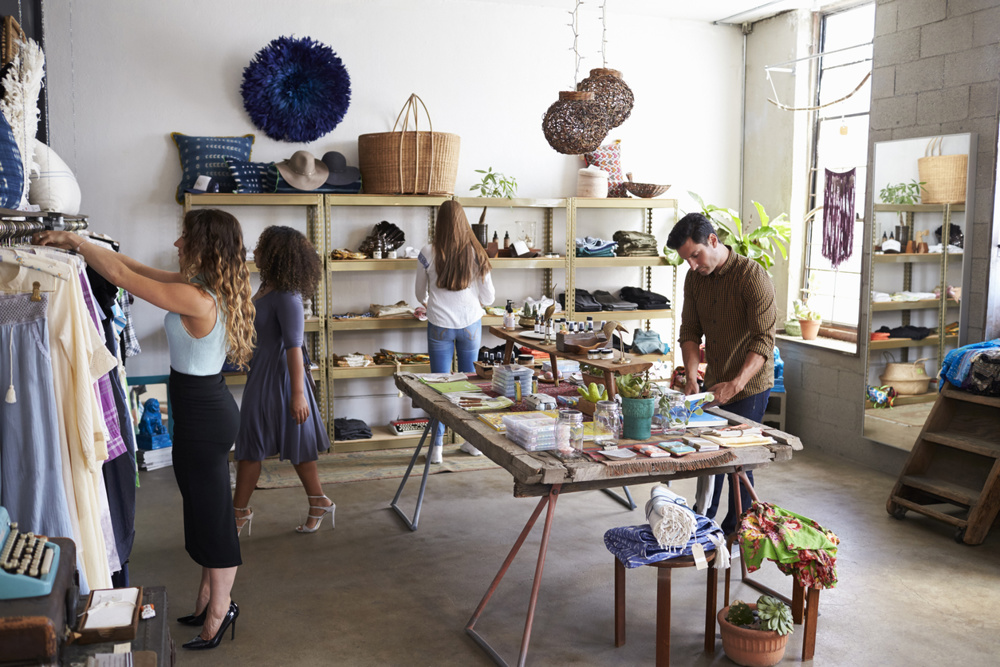
Celebrity influence remains foundational because identity is aspirational. Supermodels like Naomi Campbell and Cindy Crawford elevated modeling into cultural authority. Their campaigns created emotional resonance that boutiques continue to leverage through nostalgia-driven edits and retro capsules.
Screen icons operate similarly. Audrey Hepburn’s silhouettes remain retail staples decades later because boutiques know iconography converts into purchase intent. Celebrity presence creates mystique, and mystique drives desirability. This isn’t accidental. Cultural gatekeeping through elite placement — red carpets, award shows, magazine covers — constructs aspiration. Boutiques transform that aspiration into accessible ownership.
Their Emotional Resonance still moves boutique sales because:
- Nostalgic authenticity — vintage supermodel campaigns fuel demand for retro aesthetics in antique and boutique markets.
- Aspirational identity — icons projected glamour and premium values, compelling you to envision yourself wearing the brand.
- Cultural gatekeeping — strategic placement in elite contexts created mystique, sustaining long-term boutique appeal.
Check out MrPopCulture.com and learn more about pop culture trends in fashion boutiques and beauty culture.
Why Music, Fashion, and Beauty Culture Have Always Fed Each Other
Music and fashion have always fed each other because both are languages of identity—you wear what you hear and hear what you wear. Every era proves this: 1950s rockers claimed leather jackets, disco claimed glam, and hip-hop claimed minimalism. Each movement turned sound style into cultural signaling, telling the world exactly who you're before you speak.
Collaborations accelerated this exchange. Run-D.M.C. and Adidas made sneakers a statement. Beyoncé's Balmain Renaissance collection translated 16 album tracks into wearable visual art. Billie Eilish's oversized streetwear and Harry Styles' gender-fluid looks became aspirational worldwide. Beauty culture joins this loop naturally. Artists craft complete personas—clothing, sound, and aesthetics working together.
Festivals, music videos, and social media amplify these identities instantly, making the fashion-music-beauty intersection more commercially powerful and culturally resonant than ever. Music-inspired fashion campaigns have demonstrated measurably stronger audience engagement, with 25% higher social engagement recorded over traditional fashion advertisements according to a 2023 Nielsen report.
The Democratization — and Acceleration — of Trend Power
Historically, trend authority flowed from elite gatekeepers: editors, runway houses, celebrity stylists. Digital platforms disrupted that hierarchy. Micro-influencers, fan communities, and niche subcultures now spark aesthetic movements that boutiques monitor closely.
This democratization broadened access to influence. A stylist in Seoul, a teenager in Brooklyn, or a festival-goer in Berlin can ignite a global look overnight. Boutiques no longer wait for fashion week recaps — they track comment sections and creator feeds.
However, this democratization also accelerates saturation. Trends burn brightly but briefly. What dominates timelines one-week risks feeling outdated the next. Boutiques must navigate this volatility carefully, translating grassroots energy into sustainable retail narratives without succumbing to aesthetic fatigue. The power dynamic has shifted — but boutiques remain central interpreters between subculture spark and mass-market adoption.
How Social Media Turns Boutique Looks Into Viral Trends?
Social media has radically compressed the lifecycle of a trend. What once moved from runway to magazine to retail over the course of a year now travels from a 15-second video to a sold-out boutique rack in a matter of days. Platforms like TikTok and Instagram don’t just showcase fashion — they manufacture momentum.
Algorithms reward novelty and repetition simultaneously, pushing micro-aesthetics into mass visibility almost instantly. Micro- and nano-influencers have become especially powerful within this ecosystem. Unlike traditional celebrity endorsements, their styling feels personal and attainable. Audiences perceive authenticity when someone films an outfit in their bedroom mirror rather than on a red carpet.
When a trusted creator links a boutique piece, it doesn’t feel like advertising — it feels like a recommendation from a friend. The commercial implications are immediate. A single viral styling clip can drain boutique inventory within hours, creating ripple effects that last for months through backorders and waitlists. Retailers now monitor comment sections and trend analytics as closely as they once studied seasonal forecasting reports.
The Economics of Scarcity and Cultural Urgency
Scarcity in boutique culture is no longer incidental — it is strategically engineered. Limited drops, countdown timers, preview teasers, and “members-only” access systems create choreographed anticipation. Urgency becomes part of the product itself.
This approach mirrors sneaker culture and streetwear hype cycles, where exclusivity drives resale markets and social signaling. Boutique capsules now operate within similar frameworks. When a collection sells out in minutes, the absence of availability amplifies desirability. The scarcity narrative extends beyond the garment — it becomes proof of cultural agility.
Owning a limited piece transforms clothing into timestamped identity. It signals that you were present when the moment peaked. The faster it disappears, the stronger its symbolic value. In this economy, boutiques aren’t merely selling garments; they are selling proximity to cultural immediacy.
The Collabs That Put Fashion Boutiques at the Center of Pop Culture
Collaborations have evolved far beyond celebrity capsule collections. Today, boutiques extend their influence into digital identity spaces where fashion is no longer confined to physical wardrobes. These cross-platform partnerships embed boutique aesthetics directly into the ecosystems where younger audiences construct identity.
When a gamer purchases a limited-edition digital jacket or styles an avatar in a boutique-inspired outfit, they are participating in fashion culture without stepping into a storefront. Retail presence becomes ambient rather than spatial. Boutiques are no longer just destinations — they are cultural nodes embedded across platforms.
Scarcity remains central to this strategy. Limited collaborations — whether physical or digital — sell out within minutes, reinforcing the perception that cultural relevance is fleeting and time-sensitive. The collaboration becomes a timestamp. Owning the piece signals not just taste, but timing. In this environment, boutiques operate as cross-platform cultural anchors, bridging brick-and-mortar retail with immersive digital presence, expanding their influence into hybrid identity economies.
Do Fashion Collabs Actually Deliver on Sustainability and Inclusivity?
Fashion collabs promise sustainability and inclusivity, but do they actually deliver? Some do, but gaps remain. You'll find real progress in specific areas, yet systemic issues persist. Here's where collabs are making genuine impact:
- Community partnerships like Pitod and Sustainable Brooklyn actively center Black, Indigenous, and People of Color voices in eco-conscious design.
- Adaptive design initiatives, such as the Sustainable Challenge, push body diversity through student-led garment proposals for different body types.
- Circular models through Depop and Vestiaire Collective reduce new production reliance, shifting consumer behavior meaningfully.
However, many collabs still sideline marginalized voices, struggle with textile pollution, and rarely scale beyond niche projects. You should demand more than marketing—real accountability separates performative efforts from transformative ones. The fashion industry's garment workers, predominantly women from underprivileged backgrounds, continue to face unsafe conditions and minimal wages that collabs must actively address to claim genuine sustainability.
Boutiques as Cultural Infrastructure
Ultimately, boutiques function as infrastructure within pop culture ecosystems. They absorb signals from music, celebrity styling, beauty politics, algorithmic trends, and social movements. Then they reorganize those signals into tangible identity options hanging on racks or appearing in digital lookbooks.
They do not simply follow culture — they refine it. They compress it into capsule form. They monetize it through strategic drops. They archive it season by season. Boutique curation determines which aesthetics are amplified, which are diluted, and which are ignored.
If pop culture is an ongoing conversation about identity, aspiration, rebellion, and belonging, boutiques operate as the editing room. They select the highlights, trim the excess, adjust the tone, and release a wearable final cut. In doing so, they occupy one of the most influential — and least examined — positions in the cultural production cycle.
Conclusion
Fashion boutiques and beauty culture operate as cultural engines, not sidelines. They interpret rebellion, translate celebrity, amplify music, compress digital trends, and increasingly confront sustainability demands. They are both mirrors and manufacturers of identity.
The question isn’t whether fashion reflects pop culture — it’s how much power retail curation holds in defining what culture looks like next. As trend cycles accelerate and ethical scrutiny intensifies, boutiques stand at the center of a cultural crossroads. The future of fashion won’t just be worn. It will be curated.