How to Plan a Beauty Calendar Around Seasonal Trends
Planning a beauty calendar is no longer just about weather changes — it’s about aligning with cultural rhythm. Seasonal beauty shifts reflect more than temperature fluctuations; they mirror collective mood, fashion cycles, social events, and digital trend waves. A well-structured beauty calendar connects skin needs, aesthetic shifts, and cultural moments into one cohesive strategy.
When you map your year before January begins, you aren’t simply organizing services — you’re anticipating how culture will move. Lightweight textures for spring, purification for summer, corrective treatments in fall, and deep hydration in winter form the biological foundation. The most effective beauty calendars operate where climate, commerce, and culture intersect.
Understand What Each Season Demands from Your Beauty Calendar
Every season brings functional skin changes and emotional aesthetic shifts. Spring is about renewal. Clients seek glow restoration after winter dullness. Lightweight foundations, hydrating serums, soft pastels, and subtle luminosity align with both climate and the broader cultural reset that accompanies the season.
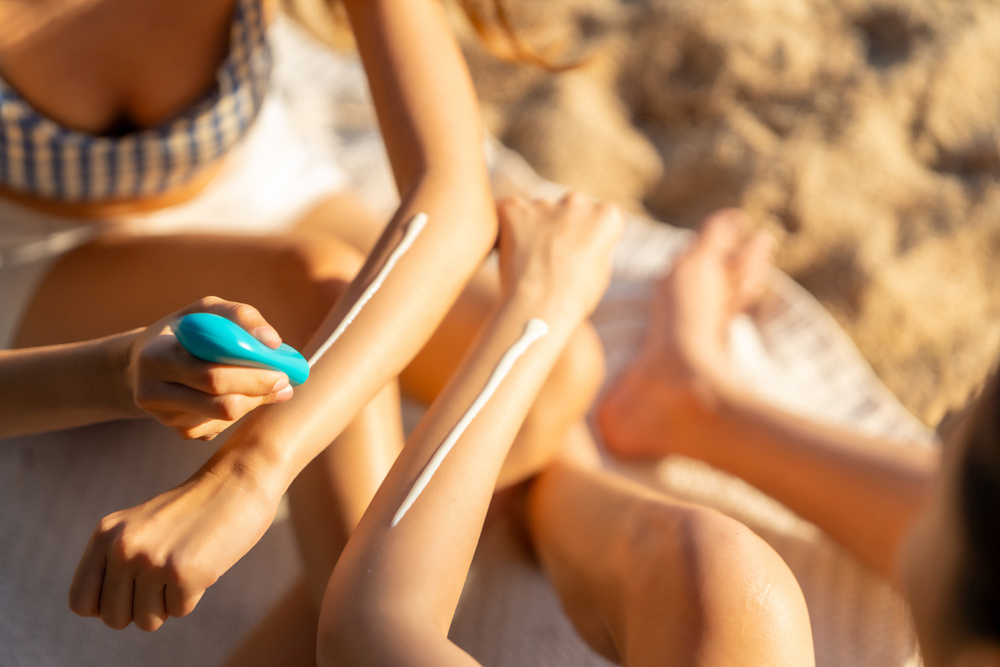
Summer shifts toward resilience. Sweat, SPF layering, and humidity increase congestion, so purifying facials, oil-balancing treatments, and minimalist makeup dominate. At the same time, festival culture, travel content, and beach aesthetics push bronzed skin and bold accents into visibility.
Autumn represents transition and refinement. Richer tones — burnt orange, burgundy, deep brown — reflect fashion week palettes and back-to-routine energy. It’s also biologically ideal for corrective treatments. Reduced UV exposure makes microneedling, resurfacing, and pigment correction safer and more effective.
Winter intensifies both drama and dryness. Hydration-focused treatments, barrier repair, and richer formulations become essential. Culturally, winter is performance-heavy — holiday parties, formal events, and award season elevate smoky eyes, metallic accents, and sculpted glam. Understanding both environmental and cultural demand allows your calendar to feel timely rather than reactive.
Map Your Beauty Calendar Before the Year Begins
Starting your beauty calendar before January hits gives you a significant advantage in staying ahead of seasonal shifts. Mapping your full year early lets you align promotions with key moments, like the Pantone Color of the Year announcement in early December, which directly shapes beauty trends and packaging across brands.
Use audience segmentation to tailor campaigns for different client groups, whether you're targeting spa regulars or med spa first-timers. You'll also have more time to build vendor partnerships, securing products and tools before seasonal demand spikes. Budgeting for these vendor investments early in the year is easier when you use a savings calculator to project how your allocated funds will grow alongside your planned contributions.
A 2026 Beauty & Wellness Marketing Calendar helps salons, spas, and med spas plan smarter campaigns with easier execution. Pre-mapping social media and promotional activities around events like International Bath Day on June 14 keeps your strategy consistent and competitive year-round. Using a Season Blocking method allows you to systematically adjust your skincare and beauty routines across each season, ensuring your calendar reflects not just trends but your skin's evolving needs throughout the year.
Schedule Treatments Around Each Season's Skin Priorities
Seasonal shifts don't just change what's on store shelves—they change what your skin actually needs. Spring is the right time for gentle resurfacing through light chemical peels, removing winter buildup before humidity rises. Summer calls for purifying facials and consistent double cleansing to manage sweat and sunscreen residue.
You'll want to schedule intensive treatments like microneedling or stronger chemical peels in fall, when cooler weather allows for post treatment downtime without sun exposure risks. Fall's lower UV intensity makes it ideal for addressing summer sun damage. Adding a vitamin C serum in fall helps repair oxidative damage and brighten the complexion after months of sun exposure.
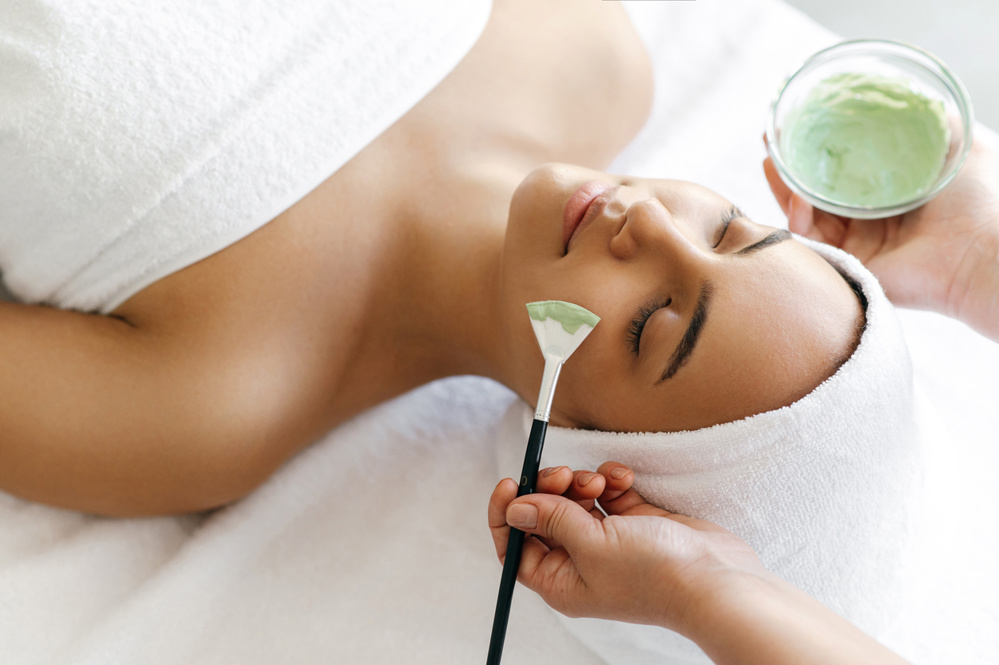
Winter prioritizes hydrating facials and nourishing masks over aggressive resurfacing. Throughout every season, keep daily SPF non-negotiable and shift products gradually so your skin adapts without unnecessary irritation or sensitivity setbacks.
Build Seasonal Service Menus That Capture Peak Demand
Timing your service menu to match what clients are already seeking puts your business ahead of demand rather than behind it. Static menus miss peak revenue opportunities, so adapt yours with intention. Add summer sun-safe treatments, chemical peels ahead of wedding season, and laser resurfacing before holiday parties.
Use package pricing to bundle complementary services, encouraging clients to spend more per visit while feeling they're getting greater value. Limited-time offerings like a "Summer Brightening Facial" available only June through August create urgency and drive bookings. Rotating these seasonal options also brings clients back regularly, reducing slow periods.
Pre-plan your menu around predictable demand spikes — back-to-school, Valentine's Day, summer vacations — and coordinate promotions with flexible staffing to keep operations running efficiently through every peak. Reintroducing a removed service as a seasonal favorite generates more client interest and anticipation than keeping it as a permanent menu item year-round.
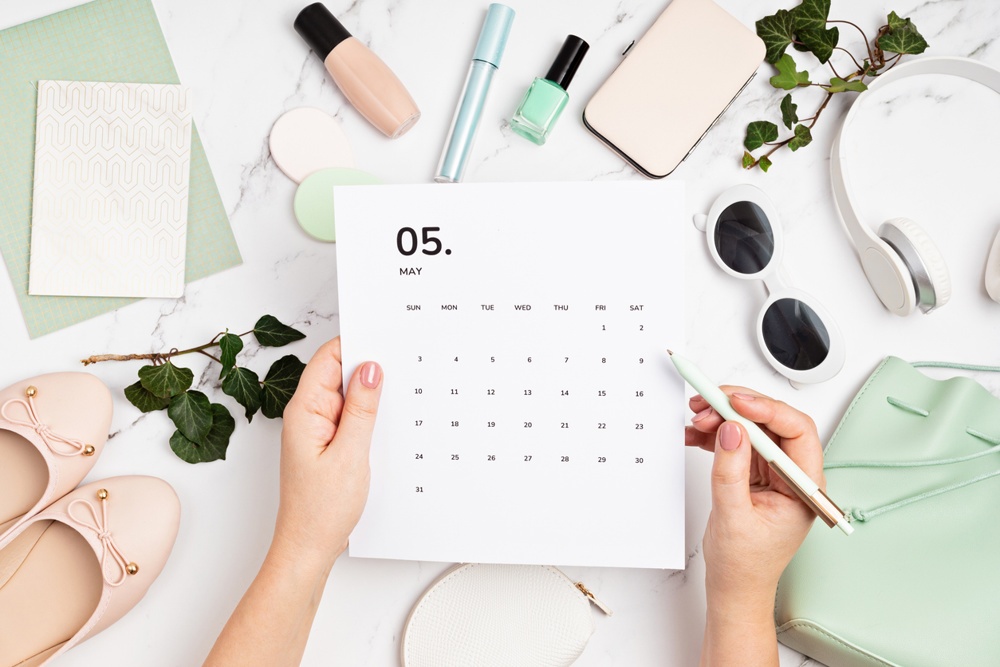
Be sure to create your own custom beauty calendar to keep your beauty routine organized all year long.
Create Seasonal Content That Drives Bookings Year-Round
Building a seasonal service menu positions your business to meet client demand — but only if clients know what you're offering and when. Consistent seasonal storytelling across social media and email keeps your brand visible between appointments.
Use Canva to build reusable templates that reflect each campaign's vibe without starting from scratch. Behind-the-scenes reveals, sneak peeks, and client testimonials build anticipation and drive bookings before a season even begins. Your email campaigns should highlight new services, share season-specific self-care tips, and offer booking incentives.
Align your content with monthly beauty triggers — think "New You" energy in January or holiday glam packages in December. Pair email with SMS campaigns to maximize conversion and keep your calendar consistently full year-round. Beauty routines shift with the seasons, making every platform update an opportunity to connect with what clients are already thinking and feeling.
Run Targeted Promotions Around Your Beauty Calendar Peaks
Promotions are most effective when they anticipate behavior rather than chase it. Launching holiday campaigns in late November misses the planning window. Instead, pre-holiday promotions should begin in late summer or early autumn, capturing early shoppers and gift planners before competition intensifies.
Bridal packages should appear well before engagement season peaks, and summer skin-prep offers should roll out ahead of peak travel months. Timing builds authority. When your business introduces a service before demand spikes, you position yourself as the leader rather than the follower.
Beyond major retail holidays, niche awareness days offer meaningful touchpoints. Clean Beauty Day, World Afro Day, or even National Self-Care Month allow you to connect authentically with specific client communities. These smaller moments prevent revenue gaps between major sales periods and diversify engagement.
Measure Results and Refine Next Year's Beauty Calendar
Tracking what worked—and what didn't—is how you build a sharper beauty calendar every year. Post event audits reveal which opt-ins, promotions, and features actually drove results. Longitudinal tracking across cycles shows you where engagement peaks and drops consistently. Pull your core metrics and compare honestly:
- Opt-in and uplift rates – Sephora's Test B achieved a 60% engagement uplift by refining opt-in copy alone.
- Daily and total entries – Benchmarks like 11k daily entries and 272k total entries quantify real audience reach.
- Traffic-to-conversion flow – Measure how calendar features translated into website visits, app activity, and in-store sales.
Use these findings to replicate top-performing strategies, cut what underdelivered, and align next year's calendar with measurable business goals. Sephora's interactive calendar promoted 24 distinct brands, including OLAPLEX, Color Wow, and Fenty Beauty, demonstrating how a well-structured calendar can serve as a powerful platform for multi-brand exposure alongside revenue generation.
How Pop Culture Shapes Seasonal Beauty Demand
Seasonal beauty demand does not exist independently of pop culture. Entertainment cycles, fashion weeks, award seasons, and viral social media moments shape aesthetic preferences in real time. Award season red carpets often dictate winter glam trends — glossy waves, luminous skin, sculpted makeup.
Coachella and festival culture influence spring braids, glitter accents, and bold color experimentation. Back-to-school TikTok aesthetics drive autumn shifts toward clean-girl minimalism or moody palettes. When a celebrity debuts a copper hair transformation during fashion week, salons see immediate color consultation spikes.
When skincare routines trend on social platforms, treatment inquiries follow. Tracking these cultural signals alongside climate patterns strengthens your calendar’s responsiveness. Beauty businesses that monitor both seasonal weather shifts and pop culture cycles position themselves ahead of demand. Cultural literacy becomes a competitive advantage.
The Rise of “Event-Based Beauty” Planning
Modern beauty consumption is increasingly event-driven. Clients book services around milestones rather than seasons alone. Weddings, graduations, vacations, corporate events, and social media content creation deadlines all drive predictable booking waves.
Mapping these life events into your calendar adds another forecasting layer. Pre-vacation facials spike in late spring and early summer. Holiday party glam bookings surge in early December. Graduation makeup appointments peak in May and June.
Event-based planning also improves retention. When you proactively remind clients to schedule treatments ahead of known milestones, you demonstrate attentiveness. Instead of reacting to last-minute availability requests, your calendar anticipates demand. Blending seasonal planning with event forecasting stabilizes revenue and enhances client experience.
Turning Your Beauty Calendar Into a Cultural Asset
A well-designed beauty calendar extends beyond scheduling — it becomes brand infrastructure. It signals that your business understands not only skin science, but cultural rhythm. When clients see treatments timed with weather shifts, fashion cycles, holidays, and viral trends, they perceive authority. Consistency builds credibility. Credibility builds loyalty.
Your calendar should reflect three pillars: biological needs (skin changes), cultural influences (pop culture shifts), and commercial cycles (retail peaks). When these align, your services feel timely and intentional rather than reactive.
The most successful beauty businesses do not scramble for bookings. They move in rhythm with both climate and culture. By aligning biology, aesthetics, and event cycles into one cohesive annual strategy, your beauty calendar becomes more than a plan — it becomes a competitive advantage.
Conclusion
Planning a beauty calendar around seasonal trends is not just operational organization — it is cultural alignment. Climate changes skin needs. Pop culture shapes aesthetic desire. Events drive urgency. When all three are mapped cohesively, your calendar becomes predictive rather than reactive.
A successful beauty calendar respects biology, anticipates culture, and measures performance. It converts seasons into strategy, moments into momentum, and planning into profit. In a world where trends accelerate and attention shifts quickly, the businesses that thrive are those that move in rhythm with both the climate and the culture.