Interesting Facts About the Beauty Habits People Love Most
The beauty habits people love most aren’t just comforting rituals — they reflect a broader cultural shift toward preventative care, skin longevity, and “effortless” glow. What used to be complicated, trend-heavy routines have gradually given way to a more disciplined philosophy: cleanse gently, protect daily, hydrate consistently, sleep deeply.
Across social media, dermatology offices, and celebrity interviews, the same core practices surface repeatedly. Broad-spectrum SPF reduces melanoma risk by roughly 50%. Consistent moisturizing strengthens the skin barrier. Sleep boosts collagen production. These habits persist not because they’re flashy — but because they work.
The Beauty Habits That Make the Biggest Difference for Your Skin
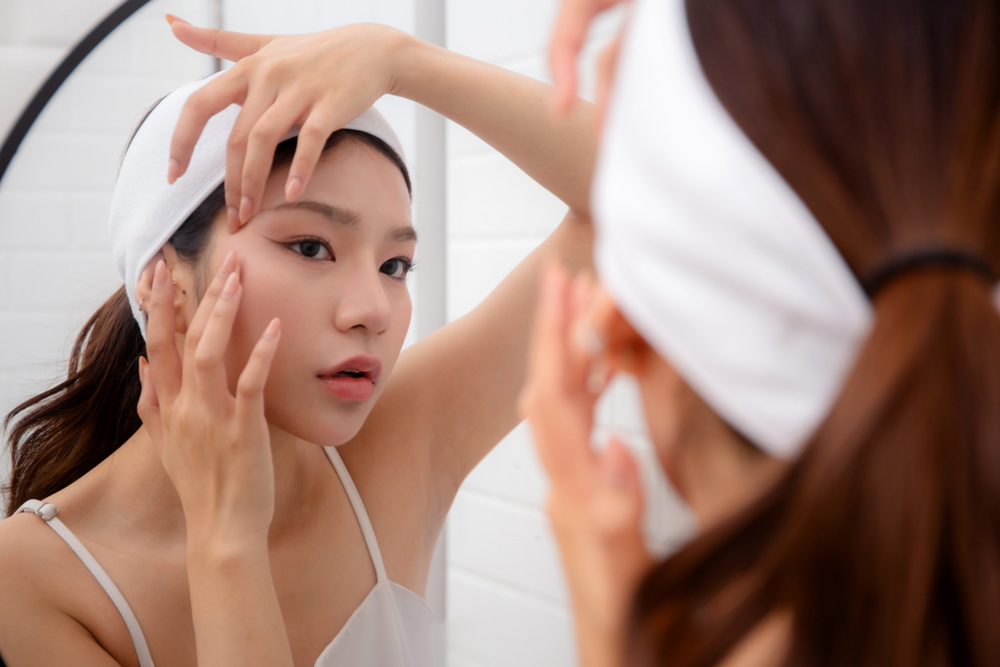
Daily cleansing is one of the most impactful habits you can build for healthier skin. Cleansing morning and evening removes dirt, sebum, and pollutants that trigger free radical damage. Stick to gentle cleansers suited to your skin type, and practice ingredient awareness to avoid harsh scrubs or fragranced formulas that strip your natural oils.
Applying broad-spectrum SPF 30 or higher every morning protects against wrinkles, age spots, and skin cancer, even indoors. Pair sunscreen with a consistent routine that includes moisturizing and gentle exfoliation two to three times weekly. Always patch test new products before full application to prevent irritation. These targeted habits consistently deliver the clearest, most resilient skin over time.
Monitoring your body fat percentage over time can also support skin health, since excess central fat is linked to hormonal imbalances that contribute to chronic breakouts and inflammation. If you work with international clients or remote teams, using a time difference calculator to schedule calls during reasonable hours can reduce chronic stress, which is a well-documented contributor to skin flare-ups and accelerated aging.
The Hydration Habit That Keeps Skin Looking Young
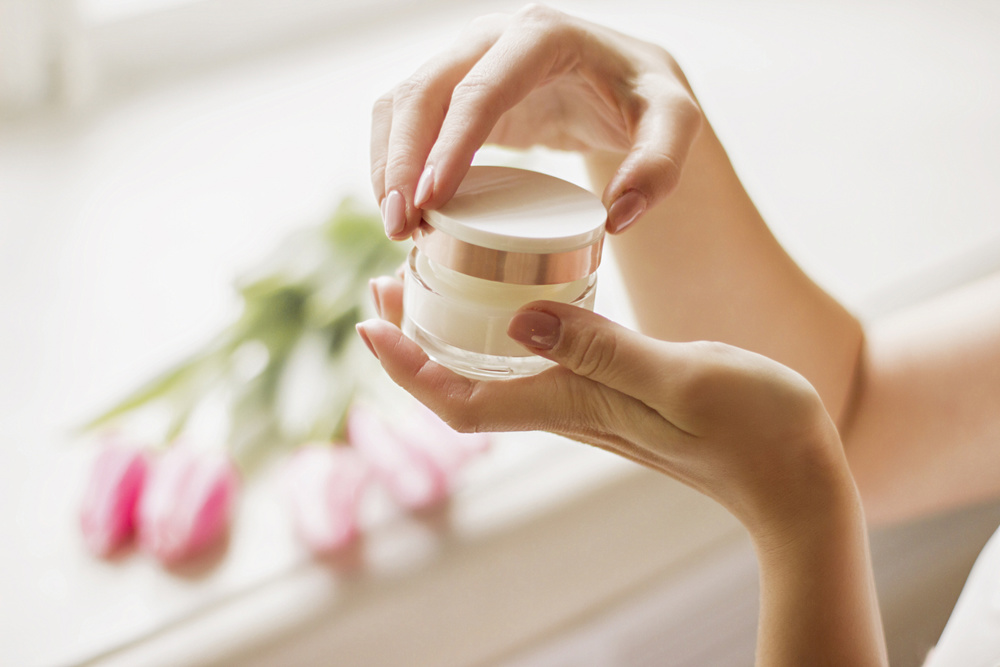
Consistently drinking water and moisturizing your skin ranks among the most effective anti-aging habits you can build. When cell hydration is ideal, your skin cells become fuller, creating a smoother, plumper surface that reduces the visibility of fine lines. Dehydrated skin, by contrast, turns rough, brittle, and more prone to deeper wrinkles and sagging.
Proper hydration also supports collagen resilience, keeping fibers flexible enough to reflect light and maintain elasticity. Without consistent moisture, your skin's barrier weakens, making it vulnerable to inflammation, irritation, and premature aging. Tracking your daily protein and fat intake can further support skin health, as adequate protein preserves structural proteins like collagen while healthy fats maintain the lipid barrier that locks in moisture.
You can hydrate internally through water, electrolyte-rich drinks, and water-dense foods like cucumbers and watermelon. Externally, moisturizers prevent trans epidermal water loss, while formulas containing vitamin C and antioxidants provide additional protection against free radicals that accelerate aging. For deeper, longer-lasting results, hyaluronic acid skin boosters can be injected to replenish moisture.
Step deeper into the world of beauty care with more fascinating facts and trivia.
What Daily Sunscreen Actually Does for Your Skin
Daily sunscreen use does more than prevent sunburn. It slows collagen degradation, reduces hyperpigmentation, and protects DNA from mutation. Studies show consistent SPF application significantly lowers melanoma and squamous cell carcinoma risk.
Barrier stability is another benefit. UV radiation weakens the skin’s immune defenses, increasing inflammation and sensitivity. For individuals with rosacea, eczema, or pigmentation concerns, daily SPF acts as both preventive and corrective support.
Even indirect exposure — through windows or during cloudy weather — contributes to cumulative damage. Sunscreen functions as long-term insurance. In modern beauty culture, where prevention outweighs correction, SPF has become a daily non-negotiable.
The Cleansing Routine Dermatologists Actually Recommend
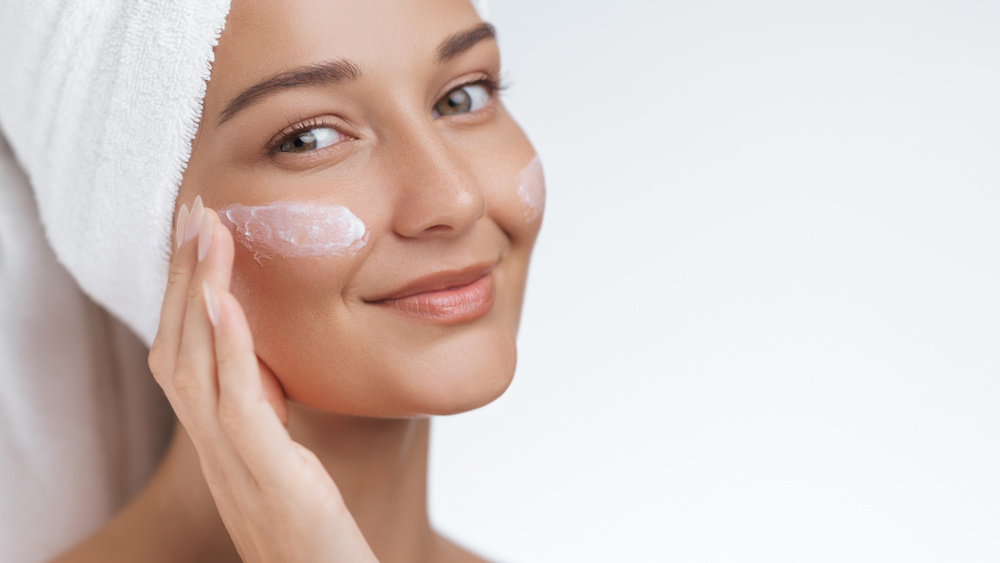
Cleansing your face twice daily — morning and night — is the foundation dermatologists recommend for most skin types. If you have dry skin, once daily is enough. Always choose a gentle, non-stripping cleanser like CeraVe Hydrating or Glytone Mild Cream to protect your skin barrier.
Your technique matters as much as your product. Use a gentle massage with your fingertips, rinse with lukewarm water, and skip the scrubbing — it inflames your skin. For stubborn makeup or oil buildup, try a double cleanse. Start with a cleansing oil on dry skin, wipe it away with a warm damp cloth, then follow with a water-based cleanser.
This method helps your skin absorb everything you apply afterward more effectively. Never skip your cleanser before applying active treatments like retinoids or exfoliants, as clean skin ensures these ingredients penetrate properly and work at their full potential.
How Often Should You Really Be Exfoliating?
Exfoliation is one of the most misunderstood steps in skincare. While it’s praised for creating glow and improving texture, more is not better. The ideal frequency depends on your skin type, barrier strength, and the type of exfoliant you’re using. Oily or congestion-prone skin may tolerate two to three sessions per week, while dry or sensitive skin often performs best with once-weekly exfoliation — sometimes even less.
The risk of over-exfoliation is real. Stripping away too many surface cells disrupts the skin barrier, leading to redness, tightness, peeling, and increased sensitivity to active ingredients. Ironically, excessive exfoliation can also trigger rebound oil production and worsen breakouts — the very issues it’s often meant to correct.
Chemical exfoliants like BHAs (salicylic acid) and AHAs (lactic or glycolic acid) tend to provide more consistent, controlled results than abrasive physical scrubs, which can create micro-tears if used aggressively. Modern skincare culture increasingly embraces “skin cycling,” where exfoliants and retinoids are rotated with recovery nights to minimize irritation. This reflects a broader industry shift: sustainable skin health requires pacing, not intensity. The glow comes from balance, not overuse.
Why Face Masks Work So Well for Skin Health
Once you've dialed in your exfoliation routine, face masks are the next powerhouse habit worth adding to your skincare arsenal. Detox masks featuring bentonite or kaolin clay pull excess oil, dirt, and dead skin cells from your pores, reducing inflammation and giving your skin a visibly tighter appearance.
Beyond cleansing, ingredient synergy is what makes masks truly effective. Hydrating masks with hyaluronic acid and ceramides restore your skin barrier, while brightening formulas with vitamin C target hyperpigmentation and dull buildup. Anti-aging masks stimulate collagen production, improving elasticity and smoothing fine lines. If your skin needs calming, ingredients like aloe vera, chamomile, and tea tree reduce redness and soothe irritation.
Because masks keep active ingredients in prolonged contact with your skin, they deliver deeper, faster results than your everyday products. Botanicals such as jojoba oil, Kakadu plum, crushed chamomile flowers, and rose hips bring botanical nourishment that deeply cleanses while simultaneously soothing and promoting improved skin clarity, brightness, and tone.
How Sleep and Exercise Give You Naturally Glowing Skin
While masks deliver active ingredients directly to your skin's surface, what happens during sleep and exercise works on a deeper, biological level. Sleep collagen production peaks during deep sleep stages, while exercise circulation delivers oxygen and nutrients your skin desperately needs.
Here's what's actually happening inside your body:
- Growth hormones during sleep rebuild collagen, reducing fine lines
- Melatonin acts as a powerful antioxidant, accelerating cell regeneration
- Blood flow increases eightfold during exercise, flushing away waste
- Deep sleep maintains your skin's moisture barrier, preventing dryness
- Endorphins from exercise lower cortisol, stopping stress-triggered breakouts
Without consistent sleep and movement, your skin loses its natural ability to repair itself. You're effectively robbing your complexion of its most powerful, cost-free beauty treatments available. Skin Laundry's blog highlights that sleep affects skin health in ways that go far beyond simple rest and recovery.
The Rise of “Skinimalism” in Modern Beauty Culture
Skinimalism emerged as a quiet rebellion against product overload. After years of elaborate multi-step routines and aggressive active layering, consumers began recognizing the cost of overcomplication: irritation, sensitivity, and compromised barriers.
This minimalist shift reflects growing awareness of skin physiology. Rather than chasing dramatic transformations, people now prioritize maintaining a stable, healthy barrier. Dermatologists increasingly recommend streamlined regimens built around gentle cleansing, targeted treatment, hydration, and daily protection.
Social media played a role in both creating and correcting excess. Viral trends popularized complex routines, but dermatology creators and clinical education helped recalibrate expectations. Skinimalism reframes skincare as long-term care rather than constant correction. It values consistency over novelty and resilience over reaction.
How Social Media Changed the Way We Build Beauty Habits
Social media fundamentally altered how beauty knowledge spreads. Ingredient transparency, dermatologist explainers, and routine breakdowns have democratized skincare education. Consumers now understand terms like “niacinamide,” “retinoid,” and “ceramide” in ways that were once reserved for professionals.
However, rapid information flow also accelerates misinformation. Trends such as daily exfoliation challenges or extreme DIY remedies have occasionally caused harm. The rise of “dermatologist reacts” content represents an industry counterbalance — merging digital culture with medical authority.
Today’s beauty habits form at the intersection of science and social influence. Consumers test, observe, and adjust in real time. The routines that endure are those validated both by evidence and by lived experience.
Why Consistency Outperforms Trend Chasing
Beauty culture thrives on novelty. Each month introduces new actives, textures, or viral hacks promising dramatic change. Yet skin biology favors patience. Jumping from trend to trend often disrupts barrier stability and delays visible improvement.
Consistency compounds results. Daily SPF prevents cumulative damage. Regular moisturizing protects elasticity. Strategic exfoliation supports renewal without irritation. Adequate sleep and stress management reinforce systemic repair.
The most admired complexions rarely result from experimentation alone — they reflect disciplined routines practiced over months and years. Trends may inspire interest, but habit builds transformation. Skin responds best to steady care rather than dramatic swings.
The Daily Beauty Habits Dermatologists Say Are Non-Negotiable
Dermatologists consistently narrow their recommendations down to a handful of habits that deliver real, measurable results. Your ingredient awareness and texture tolerance matter when building these essentials:
- Cleanse gently to remove dirt, oil, and pollution without disrupting your skin barrier
- Moisturize daily to strengthen resilience and prevent sensitivity
- Wear dedicated SPF year-round — foundation alone won't protect you from UV damage
- Exfoliate one to three times weekly — never daily, or you'll trigger reactive, rough skin
- Extend your routine to your neck and hands, not just your face
These aren't trends. They're fundamentals that compound over time. Skip them consistently, and your skin will show it. Commit to them, and the results will speak for themselves. Sunscreen prevents up to 80% of visible aging, making it the single most impactful product you can apply every morning.
Conclusion
The beauty habits people love most are not dramatic innovations — they are disciplined fundamentals. Cleansing, hydration, protection, rest, and moderation form the backbone of long-term skin health.
In a culture saturated with rapid launches and fleeting trends, the most powerful routines remain quietly consistent. They work because they align with how skin actually functions. What feels simple is often strategic. And in beauty — as in health — consistency will always outperform spectacle.